 Doughbies
Why Are My Cookies Flat? 7 Causes and the Fix for Each
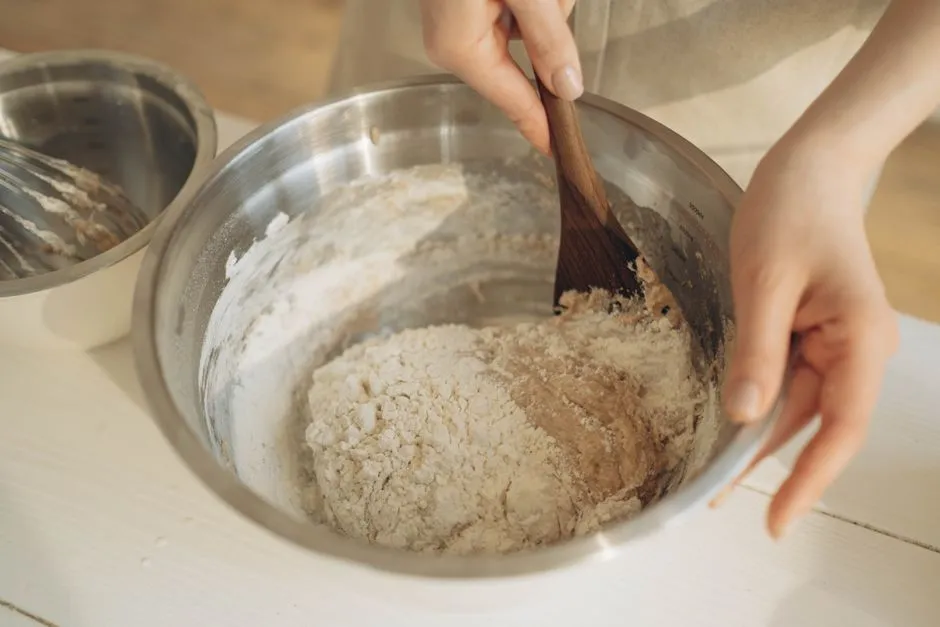
Why Are My Cookies Flat?
Cookies come out flat when the dough spreads faster than it sets. The usual culprits: butter that was too warm or melted, too little flour, expired or mismeasured leavening, too much sugar, a hot or greased baking sheet, dough that never got chilled, or an oven running cooler than its dial claims. Every one of these has a specific, testable fix.
Here are the seven causes in the order to check them — the first two account for most flat batches.
The 7 Causes of Flat Cookies (and How to Fix Each)
1. Your butter was too soft — or melted when it shouldn't be
Butter is the engine of spread. When you cream butter and sugar, you're trapping air in fat that's cool enough to hold its structure — around 65°F (18°C), pliable but not shiny. Butter that's greasy-soft or partially melted can't hold that air, so the dough slumps the moment it hits oven heat.
The fix: Let butter sit out 30–60 minutes, not all day. It should dent when pressed, not squish. If a recipe calls for melted butter on purpose — like our chewy chocolate chip cookies — the recipe compensates elsewhere, usually with more flour and a rest before scooping. That recipe runs 270 g of flour to 170 g of butter, a higher flour-to-fat ratio than a typical creamed-butter dough, and rests 20–30 minutes so the flour hydrates and the butter firms up. Don't swap melted for softened in a recipe built for creaming.
2. Not enough flour
Flour is the structure that holds spread in check. The problem with scooping a measuring cup straight into the bag is inconsistency: depending on how packed the bag is and how you dip, the same cup can come out heavier or lighter batch to batch. Flat cookies come from the light end of that range — under-filled cups, or flour that's been sifted or heavily fluffed — which leaves the dough short on the structure it needs to hold its shape.
The fix: Weigh your flour. A cup of all-purpose flour should be about 120–125 grams. No scale? Fluff the flour, spoon it into the cup, and level with a knife — and don't shake or tap the cup to settle it. If a familiar recipe suddenly bakes flat, short flour is the first thing to rule out.
3. Dead or mismeasured leavening
Baking soda and baking powder create the gas bubbles that lift dough as it sets. Old leavening produces weak lift, so cookies set low and dense. Too much soda can also flatten cookies by over-alkalizing the dough so it browns and spreads before setting.
The fix: Test baking soda with a splash of vinegar (it should fizz hard immediately) and baking powder with hot water. Replace anything older than about six months once opened, and measure with level spoons.
4. Too much sugar
Sugar isn't just sweetness — it's a liquefier. It melts in the oven, so the more of it in the dough, the runnier that dough becomes at temperature. White sugar in particular promotes spread; brown sugar holds moisture and spreads less.
The fix: Measure sugar precisely, and don't round up. If you're tweaking a recipe toward thicker cookies, shifting a portion of the white sugar to brown is one of the gentlest levers you can pull.
5. Warm or greased baking sheets
A sheet pan straight from the last batch is hot enough to start melting dough before it reaches the oven. Greasing the pan makes it worse — you've added a lubricated runway for spread.
The fix: Always load dough onto a room-temperature pan. The practical way to do that is to keep two or three sheets in rotation so one is always cooling while another bakes; let them cool on a rack, off the heat. Don't run a hot pan under cold water — the thermal shock can warp thinner sheets, and a warped pan bakes unevenly, which is the problem you're trying to solve. Line with parchment instead of grease; it releases cleanly without encouraging slide.
6. Skipping the chill
Yes — chilling cookie dough really does reduce spreading. Cold fat melts slower in the oven, which buys the edges time to set before the dough flows. Chilling also gives flour time to hydrate, which firms the dough further.
The fix: When a recipe calls for a chill, treat it as an ingredient, not a suggestion. Even 30 minutes in the refrigerator makes a visible difference; overnight is better for thick, bakery-style cookies. Portion the dough first so you're not fighting a cold brick.
7. An oven that runs cool
A cool oven is a stealth cause. At the right temperature, the outside of a cookie sets quickly and locks in height. In an oven running 25°F low, the dough sits in its melting zone longer and pools outward before the structure forms.
The fix: Use an inexpensive oven thermometer and trust it over the dial. Preheat fully — most ovens need 15–20 minutes, longer than the preheat beep suggests.
Quick Diagnosis Table
| What you see | Most likely cause | First fix to try |
|---|---|---|
| Greasy, lacy, paper-thin | Butter too soft or melted | Cream cooler butter (about 65°F/18°C) |
| Thin but tender, pale | Too little flour | Weigh flour (120–125 g/cup) |
| Flat and dense, little lift | Dead or over-measured leavening | Fizz-test your soda and powder |
| Overspread with dark, crisp, candy-like edges | Too much sugar | Re-measure sugar; shift some white to brown |
| First tray fine, later trays flat | Warm baking sheet | Rotate a second pan; cool off-heat |
| Spreads immediately, loses its dome | Dough went in unchilled | Chill portioned dough 30–60 minutes |
| Overspread but pale, slow to brown | Oven running cool | Verify with an oven thermometer |
Fix One Variable at a Time
The fastest way to solve flat cookies for good is to change one thing per batch and compare. Bake a test tray of three or four cookies first — one bake cycle of roughly 10–13 minutes tells you whether the dough spreads, and you've risked four cookies instead of two dozen. Budget for the full preheat too: with 15–20 minutes to get the oven honestly up to temperature, a test tray costs you around half an hour start to finish, and it's still the cheapest diagnostic there is.
If you'd rather start from a recipe engineered against overspreading, browse our Classic Cookies collection — every recipe there lists gram weights, exact temperatures, and whether a rest or chill is genuinely required.
Frequently asked questions
Does chilling cookie dough really prevent spreading?
Yes. Chilled dough contains cold fat that melts more slowly in the oven, which gives the edges time to set before the dough flows outward. Chilling also lets flour fully hydrate, firming the dough further. Even 30 minutes in the refrigerator visibly reduces spread; an overnight chill produces thicker, bakery-style cookies. Portion the dough into balls before chilling so it is easy to bake straight from the fridge.
Why do my cookies spread so much even when I follow the recipe?
The two most common hidden causes are under-measured flour and butter that is too warm. Scooping a measuring cup straight into the bag gives an inconsistent amount from batch to batch, and a light scoop leaves the dough short on structure — so weigh it instead, about 120 to 125 grams per cup of all-purpose. Butter should dent when pressed, not squish. Also load dough onto a room-temperature baking sheet, keeping a second pan in rotation so one is always cooling, and verify your oven with a thermometer, since an oven running cool extends the melting phase and increases spread.
Can I fix cookie dough that is spreading too much?
Often, yes. If a test cookie bakes flat, chill the remaining dough for 30 to 60 minutes and try again on a cool, parchment-lined pan. If it still spreads, work in an extra tablespoon or two of flour. Baking a small test tray of three or four cookies before committing the full batch is the fastest way to catch and correct spreading.
Should I use baking soda or baking powder to keep cookies from going flat?
Use whichever the recipe specifies — they are not interchangeable one-for-one. Baking soda needs an acid in the dough (like brown sugar) to react, while baking powder carries its own. What matters most for flat cookies is freshness and measurement: replace either one about six months after opening, test soda with vinegar and powder with hot water for a strong fizz, and measure with level spoons.